The Science of GSM: Why Fabric Weight Matters in Yoga Wear Manufacturing
The Invisible Metric: Why GSM is the Heart of Yoga Wear Manufacturing
When shopping for yoga wear, the average consumer likely obsesses over the color, the cut, and the aesthetic 'butt-lift' effect. However, for those of us in the manufacturing and retail sector, success is built on a much more technical foundation. Have you ever scrutinized that obscure number in the technical specifications: GSM? Fabric weight is not just about thickness; it is the silent variable dictating your customers' core temperature regulation, muscle proprioception, and ultimate range of motion.
As a wholesale partner, understanding the science behind Grams per Square Meter (GSM) is the difference between a product that sits on the shelf and a best-seller that drives repeat business. Choosing the wrong weight can lead to heat exhaustion in Hot Yoga or muscle cooling in Yin, both of which result in poor user reviews and high return rates. In this guide, we decode the technicalities of GSM to help you curate a high-performance collection.
1. Decoding GSM: Understanding Fabric Density
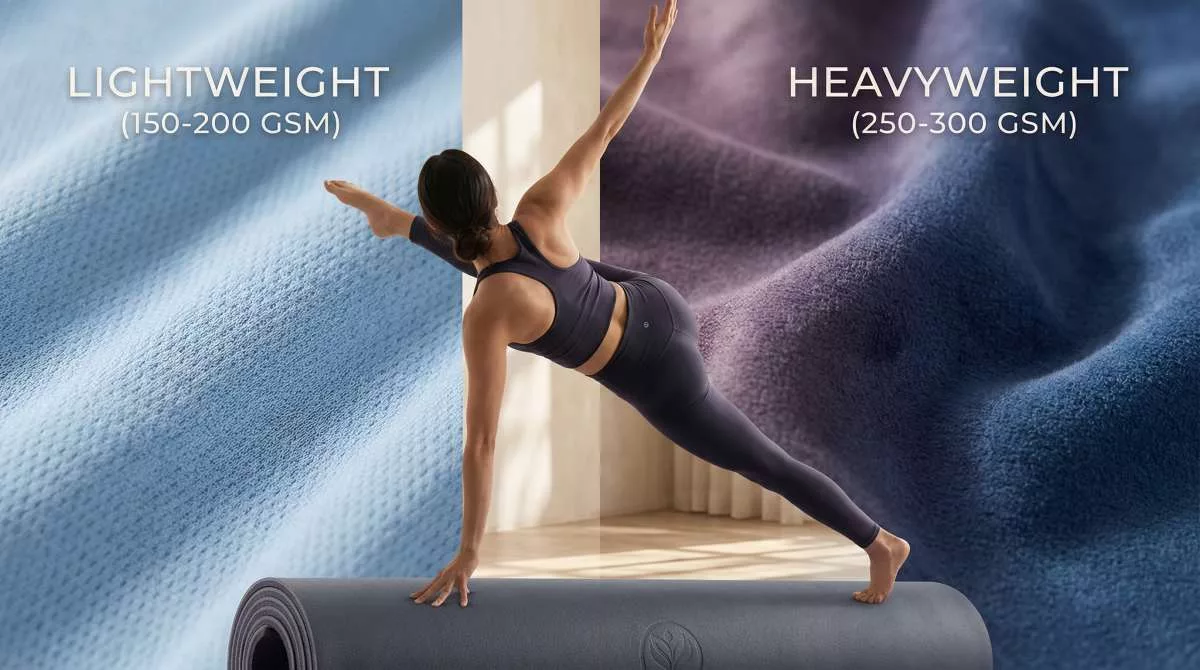
In the textile industry, we use GSM to measure fabric density. For yogis, this number translates directly to opacity, compression, and the coveted 'naked sensation.' When we discuss manufacturing specifications at SMBSports, we generally categorize yoga fabrics into three distinct tiers:
Lightweight (< 200 GSM)
This is the home of the 'Naked Sensation.' These fabrics often feature high-Lycra content and prioritize breathability over compression. They are designed to feel like a second skin, allowing for maximum airflow. For practitioners looking for minimal distraction during high-intensity sessions, products like the Naked-Feel Zipper Unitard utilize these lightweight structures to ensure the athlete never feels weighed down by their gear.
Midweight (200 - 250 GSM)
Often referred to as the 'Goldilocks Zone,' this weight range is the industry standard for versatility. It perfectly balances sweat-wicking properties with the 'squat-proof' coverage that retail customers demand. It provides enough density to mask skin texture while remaining light enough for dynamic movement.
Heavyweight (> 250 GSM)
These fabrics are compressive, warm, and often 'brushed' on the interior for heat retention. Heavyweight fabrics focus on support and nervous system regulation. They are essential for colder climates or restorative practices where maintaining muscle warmth is a priority over evaporative cooling.
2. How Weight Affects Performance Data
Manufacturing performance apparel requires a data-driven approach. When we analyze how different GSM levels impact the human body during exercise, two key factors emerge: thermoregulation and mechanical resistance.
Thermoregulation & Endurance
Scientific studies suggest that in environments exceeding 30°C (typical for Bikram or Hot Yoga), wearing fabrics over 250 GSM can cause skin surface temperature to rise 2-3°C higher than lightweight alternatives after just 20 minutes of exertion. This 'heat trap' effect forces the heart to work significantly harder to cool the blood, which prematurely reduces the athlete's endurance. For a brand owner, selling a heavyweight legging for a hot yoga niche is a technical misalignment that can hurt your brand's reputation for quality.
Mechanical Resistance (Range of Motion)
Heavier fabrics rely on denser knitting structures. While this density is excellent for reducing muscle oscillation (the 'jiggle' factor) and providing a sense of security, it creates mechanical resistance. In extreme stretches like Hanumanasana (Splits), heavy gear can actually restrict maximum depth by providing elastic resistance against the stretch. This is why high-performance leggings, such as our 9/10 Length Seamless Tummy Control Leggings, are engineered with specific GSM targets to provide tummy control without sacrificing the flexibility required for advanced asanas.
Pro Tip for Ashtangis: If you are manufacturing for the Ashtanga community, aim for the 210-230 GSM range. This specific density is tough enough to withstand the friction of 'jump-throughs' on the mat without restricting the hip mobility needed for complex binds.
3. The Guide: Matching Weight to Intent
As a wholesale buyer, your inventory should reflect the diversity of yoga practices. There is no 'best' weight, only the 'right' weight for the specific context of the workout.
- Hot Yoga / Bikram (Target: < 190 GSM): Evaporative cooling is the absolute priority. The practitioner needs the thinnest possible barrier between their sweat and the air. In this category, we advise retailers to sacrifice some compression in favor of survival and moisture management.
- Vinyasa / Power Flow (Target: 220 - 250 GSM): This is the bread and butter of the yoga industry. It must be thick enough to be squat-proof during a Downward Dog but thin enough to handle a 60-minute sweat session. Most 'all-day' leggings fall into this category.
- Yin / Restorative (Target: > 260 GSM): During restorative yoga, the heart rate drops, and consequently, so does body temperature. Heavy, cotton-feel fabrics provide a 'nervous system hug,' keeping muscles warm and pliable during long, static holds.
4. Why Manufacturing Consistency Matters for Your Brand
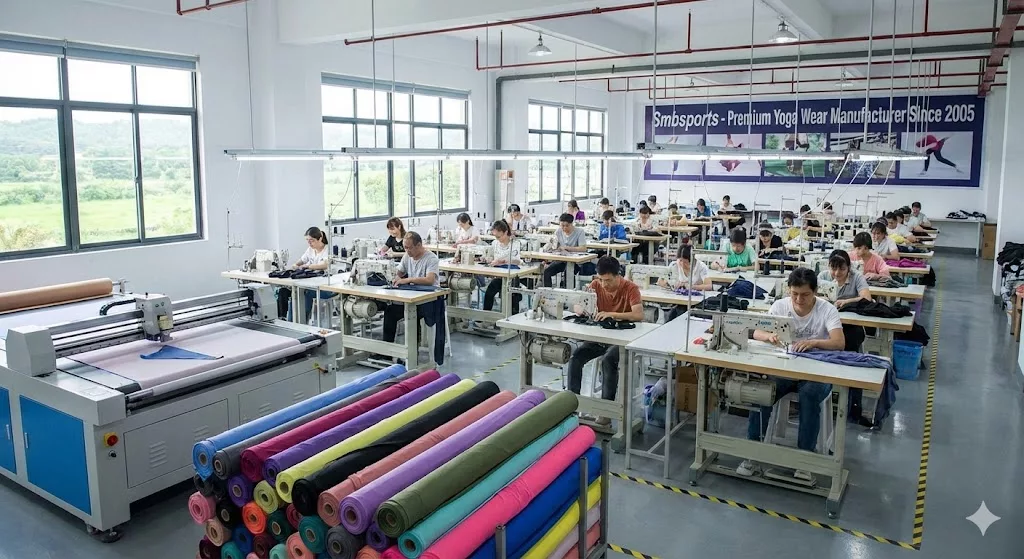
For fitness brand owners, the challenge isn't just picking a GSM; it's ensuring manufacturing consistency across production runs. A variance of even 10-15 GSM can be the difference between a legging being 'squat-proof' or 'see-through.' At SMBSports, we utilize precision knitting and rigorous quality control to ensure that every batch meets the exact technical requirements of your design.
When you source your apparel, you aren't just buying fabric; you are buying the engineering behind the fabric. High-quality manufacturing ensures that the GSM is distributed evenly across the garment, preventing thin spots that lead to premature wear or transparency issues in high-stress areas like the glutes and knees.
Conclusion: Data vs. Feel
As manufacturers and analysts, we love the GSM metric because it provides a quantifiable standard for quality. However, we also recognize that practitioners honor the 'feel' of the garment. The most successful yoga brands are those that bridge the gap between technical data and the sensory experience of the yogi.
Understanding the science of fabric weight isn't about being pedantic; it's about removing distractions so your customers can focus on what really matters: the breath. Next time you are browsing for your wholesale inventory, don't just look at the pattern or the price point. Check the weight. Ask about the GSM. Ensure your gear isn't holding your customers back.
SMBSports Team
Expert insights from the SMBSports team, bringing you the latest in activewear manufacturing, industry trends, and practical guides for fitness apparel brands.