2026 Textile Dynamics: Human Physiology and Fabric Interaction
The Evolution of the 'Second Skin' in 2026
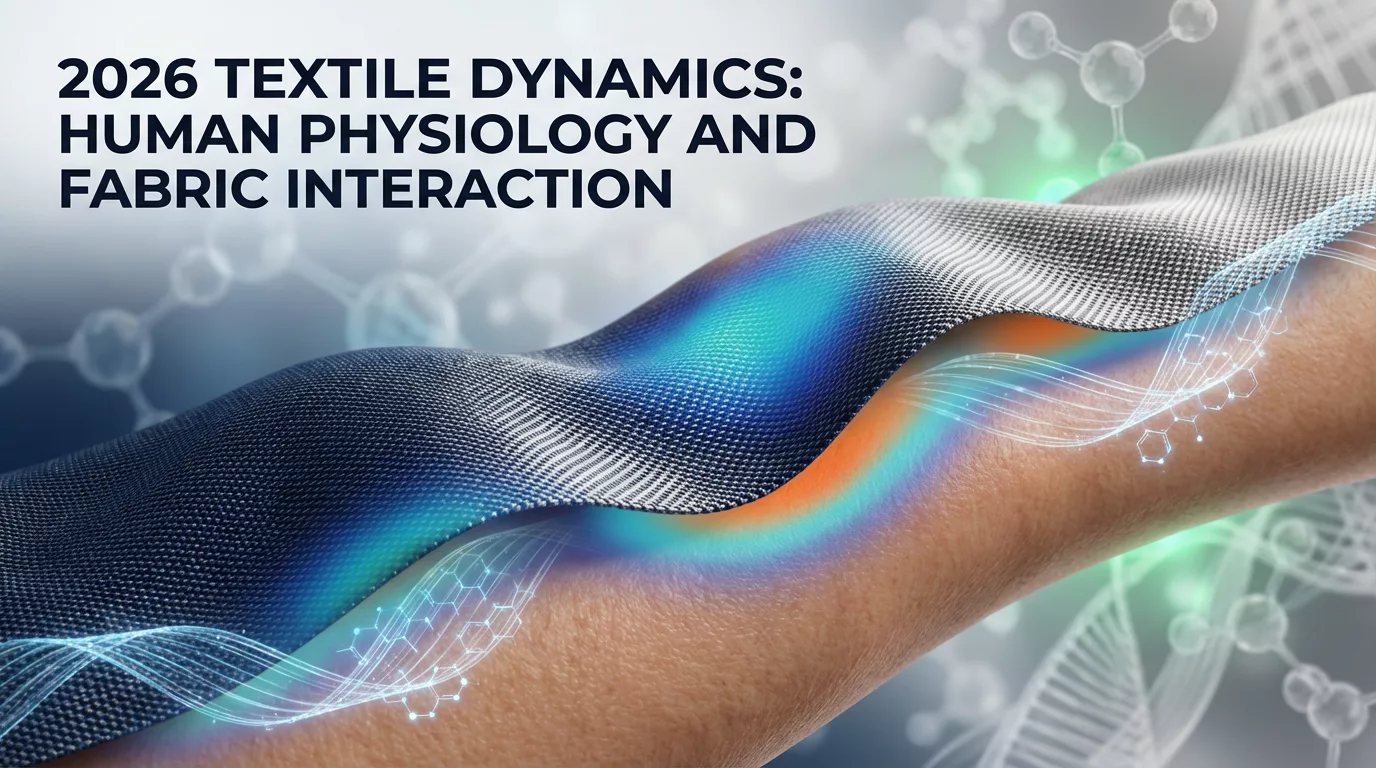
In the current 2026 landscape, the boundary between garment and organism has become increasingly porous. Clothing is no longer a mere environmental barrier; it has evolved into a 'second skin'—an active regulatory interface responsible for thermal-moisture management, tactile perception, and biomechanical support. At SMBSports, our manufacturing philosophy is rooted in the complex interaction between textile engineering and human physiology. This report summarizes the critical findings of our 2026 research into how age, gender dimorphism, and specific metabolic demands dictate material selection for performance apparel.
1. Life Cycle Dynamics: From Barrier Protection to Thermal Engineering
Human skin is a dynamic organ that undergoes profound structural changes from infancy to old age. For B2B buyers and brand owners, understanding these transitions is vital for catalog curation. In 2026, we categorize these needs into three distinct physiological phases.
The Neonatal Phase: Managing the Immature Barrier
Infant skin is roughly 20-30% thinner than adult skin, with a stratum corneum that offers significantly less protection. High Trans-Epidermal Water Loss (TEWL) and an underdeveloped thermoregulation system make infants susceptible to both dehydration and heat stress. For this demographic, SMBSports prioritizes organic cotton and bamboo viscose. These fibers provide a low friction coefficient to prevent maceration and contact dermatitis, ensuring a safe microenvironment for developing skin.
The Adolescent Surge: Hormones and Odor Management
As we move into the adolescent market, the activation of apocrine glands and increased sebum production change the biochemical landscape of the skin. This phase introduces the 'permastink' challenge. Traditional polyester, being oleophilic (oil-attracting), tends to trap lipids which are then metabolized by bacteria into volatile organic compounds (VOCs). In 2026, our high-performance adolescent lines utilize Merino wool or silver-ion treated synthetics to neutralize odors at the molecular level, addressing both physiological needs and the social anxieties of younger athletes.
The Geriatric Shift: Sensitivity and Insulation
Aging skin faces xerosis (dryness) and a loss of subcutaneous fat. This requires materials with high thermal resistance (CLO value) and a silk-like hand feel to avoid skin tears. Our 2026 autumn collections focus on seamless knitting and Modal blends to provide warmth without the abrasive pressure of traditional seams.
2. Gender Dimorphism in Thermal Regulation
Ignoring biological sex in sportswear design is a relic of the past. Our 2026 data confirms that males and females possess fundamentally different thermoregulatory mechanisms that require specialized textile engineering.
Male Sweat Efficiency
Biologically, men often exhibit 'wasteful sweating'—a higher total sweat output where much of the liquid drips off rather than evaporating. To combat this, male-focused performance gear must prioritize liquid water transport. For high-intensity training, we recommend the Men's PRO Compression Running Tights, which utilize cross-sectional polyester fibers to maximize capillary action and pull moisture away from the skin before it can pool.
Female Thermal Buffering
Women generally have a higher sweat gland density but lower individual gland output, relying more on skin blood flow for cooling. However, women are more susceptible to 'post-exercise chill' as moisture evaporates from the skin after activity. In 2026, female-specific designs focus on 'Body Mapping,' placing high-ventilation zones under the breasts and along the lower back while maintaining insulating properties in the extremities.
3. Biomechanical Support and the Engineering of the Sports Bra
One of the most critical intersections of physiology and textiles is found in high-impact support. Breast tissue lacks muscle and relies entirely on Cooper’s ligaments, which can suffer irreversible stretching during vigorous exercise. To address this, the 2026 SMBSports range incorporates high-modulus fabrics that limit vertical and lateral displacement. A prime example of this engineering is the SMB Sports 6002 Seamless Side-Buckle Sports Bra, designed to provide maximum support while maintaining a seamless interface to prevent friction-induced candidiasis in the inframammary fold.
4. Sport Modality: Matching Fiber Physics to Movement
In 2026, there is no 'one-size-fits-all' fabric. The physical requirements of a garment are dictated by the specific metabolic stress of the activity.
- HIIT and Endurance: Requires 100% synthetic dominance. Polyester and Nylon are essential for their hydrophobic nature, ensuring the garment doesn't gain weight when saturated.
- Yoga and Pilates: Prioritizes 4-way stretch and tactile 'cotton-feel' Nylon 6.6. These activities require high opacity (squat-proof) and low sensory interference.
- Aquatics: The introduction of PBT (Polybutylene Terephthalate) has revolutionized 2026 swimwear. Unlike traditional Spandex, PBT is chemically inert to chlorine, extending the life of the garment by up to ten times in competitive environments.
5. Textile Pathology and Health Safety
As a leading manufacturer, SMBSports remains vigilant regarding the toxicological impact of textiles. Textile Contact Dermatitis is often caused by disperse dyes in low-quality synthetics. We ensure all our 2026 fabrics are free from harmful allergens and heavy metals. Furthermore, we advise all our wholesale partners to warn consumers against the use of fabric softeners on functional apparel. Softeners leave a waxy cationic film that clogs the capillary channels of moisture-wicking fabrics, effectively destroying the garment's physiological benefits and trapping odor-causing bacteria.
Conclusion: The SMBSports Strategic Advantage
The interaction between human physiology and textile materials is a science of precision. By aligning material properties—wicking, insulation, elasticity, and chemical stability—with the biological realities of the user, we create products that do more than just look good. They enhance performance, protect skin health, and provide the comfort necessary for peak athletic achievement. For the 2026 season, SMBSports continues to lead the wholesale market by integrating these complex physiological insights into every fiber we knit.
SMBSports Team
Expert insights from the SMBSports team, bringing you the latest in activewear manufacturing, industry trends, and practical guides for fitness apparel brands.